
Науката за образованието: теория и практика
CHEMILUMINESCENT AND PHOTOMETRIC DETERMINATION OF THE ANTIOXIDANT ACTIVITY OF COCOON EXTRACTS
Резюме. The extract obtained during the silk production contains sericin, which exhibits good antimicrobial, anticoagulant, antioxidant and other properties that make it interesting for medical applications. In the present paper, we tested the antioxidant activity (AOA) of Bombyx mori cocoon extracts, obtained under soft extraction conditions – with ultrasound and incubation at 60 °C. For this purpose, we used tests for determination of total antioxidant activity (TAOA) – ABTS and DPPH assays, as well as chemiluminescent methods for registration of reactive oxygen species (ROS). The carried-out tests show that the cocoon extracts have AOA determined with the methods for TAOA and at the same time they can influence the quantity of ROS, which makes their activity biologically important. The extracts have stronger AO properties than the ones registered for sericin because of the extraction of additional substances with AO properties most likely with plant origin.
Ключови думи: silk cocoon; chemiluminescence; antioxidant activity
Physics is an ever young science, Varna, October, 27 – 29, 2017
Физиката – вечно млада наука, Варна, 27 – 29 октомври 2017 г.
Introduction
Bombyx mori (Bombyx mori) is an insect grown by people for production of silk. It has four stages of development: egg, larva (caterpillar), pupa and butterfly (imago). In the third stage the larva builds a cocoon consisting of about 70% fibroin, 25% sericin and 5% non-seric components. A single silk fibre consists of two fibroin filaments and is used in making silk fabrics. Sericin is a water-soluble adhesive-like protein made of 17 amino acids that glues together fibrous filaments (Wang & Zhang, 2011). For hundreds of years, it has been considered a waste product in the manufacturing of silk. It has been found, however, that it possesses important biological properties – antioxidant (Kato et al., 1998; Dash et al., 2008) and antityrosinase activity (Kato et al., 1998), anticoagulant (Sarovart et al., 2003) and antibacterial (Aramwit et al., 2010) action. Sericin has anti-tumour activity without inducing an immune system response (Sasaki et al., 2000; Zhaorigetu et al., 2001). It can be used as a serum-free storage medium when freezing animal (cell) cultures (Sasaki et al., 2005). Sericin inhibits lipid oxidation in vitro (Kato et al., 1998), acts as a wound healing agent (Hunt, 1980) and is used in cosmetic dermatology for rejuvenating procedures. It can also be used for surgical sutures. It is also possible for sericin to be used in the manufacture of contact lenses. This protein is used in the food industry as well as in the manufacturing of food supplements (Kato et al., 1998). Its ability to gel, retain moisture, and adhesion to the skin, are used in medicine, pharmacy and cosmetics. Due to its numerous possible applications, it is important to study the antioxidant activity of the extract from cocoons as other substances are also extracted together with the sericin. Extracts from different silkworm breeds have different antioxidant potential.
Materials and methods
Cocoon samples
The analysis was carried out using cocoons from breed Daizo. It is polyvoltine race, introduced from Japan in 1998. The cocoons are green yellow in colour and spindle. Feeding and rearing of silkworms was done according to the requirement for highly productive breeds in experimental centre at the section of Sericulture at the Faculty of Agriculture of Trakia University, Stara Zagora, Bulgaria. Its only food is mulberry leaves. Each of the cocoons was tested separately.
Each of the cocoons was cut into small pieces and added to distilled water to obtain a concentration of 30 mg dry material per ml. The process of aqueous extraction was carried out in two stages: an ultrasonic extraction (US) for 30 min and subsequent incubation at 60 °C for 1 h. A sample from the extract is taken for measurement of radical scavenging activity.
Using the same conditions, a solution of pure sericin, produced from Seiren Co., Ltd., in distilled water to concentration of 10 mg/ml was created.
Luminescent methods
А chemiluminometer LKB 1251 (Bioorbit, Turku, Finland) was used to test the luminescent activity of the kinetics of interaction of the reactive oxygen species (ROS) . The calculated area below the chemiluminescent curve is called CL response. The ratio between the CL response in the presence of the tested extracts and the response of the control sample expressed in percentage is referred to as chemiluminescent scavenger index presented in percentage (CL-SI, %). The higher the CL-SI is, the smaller the antioxidant properties of the analysed extracts are.
Luminol-dependent chemiluminescence in the system of the generation of hypochlorite of NaOCl (Hadjidimova et al., 2002) – In brief: 1ml PBS buffer with pH 7.4 contains 0.1 mmol/L luminol and the tested extracts in the dilutions designated in the figures. There is no extract added to the controls. The chemiluminescent response measurement starts immediately after the addition of NaOCl with a final concentration of 60 μl
Luminol-dependant chemiluminescence in the system of peroxide (Horseradish peroxidase-HRP) – hydrogen peroxide (Hadjimitova et al., 2002) – 1 ml PBS buffer with pH 7.4 contains 0.1 mmol/L luminol, 0.5 IU/L HRP and the tested extracts in the dilutions designated in the figures. The chemiluminescent response is measured immediately after adding of 50 μL H2O2 (1 mmol/L).
Methods for measuring the total antioxidant activity (ТАОА)
To determine the total antioxidant capacity, we tested the extracts in two model systems with stable free radicals – ABTS (Re et al., 1999) and DPPH (Goupy et al., 2003). Both methods are widely used together and are complementary to each other because of the different mechanisms of interaction of the radicals with complex samples – SET and HAT type antioxidant activity (AOA), respectively.
The two systems test different ways of expressing of the AO properties. ABTS reacts to components which realise single electron transfer (SET), while the DPPH method registers components that carry out hydrogen atom transfer (HAT). The application of both systems gives the opportunity to characterise better the tested multicomponent systems.
They are based on measurement of decolorization of the initial solution of the radicals, due to the interaction between them and the substances with AOA in the investigated samples. The measurement is done with spectrophotometer at specific wavelength – 734 nm for ABTS and 517 nm for DPPH. There is a linear dependence between the absorbance and the amount of the radicals in the solution. The observed reduction of the absorbance is proportional to the radical scavenging activity of the sample added to the radical and can be used to evaluate it. The ABTS●+ radical solution was prepared with initial absorbance of 0.700 ± 0.002. The DPPH● radical solution had initial absorbance of 0.900 ± 0.003.
Results and discussion
On the Figs 1 and 2 are presented the results for TAOA of four cocoons extracts obtained with the ABTS and DPPH systems, respectively. It was established that the extracts manifest AOA in each of the two tested radical systems. Comparing the amount of dry cocoon, from which the extract was made, needed to reduce the initial amount of the radical we can conclude that the AOA in the ABTS system is almost one order higher than the one in the DPPH system.
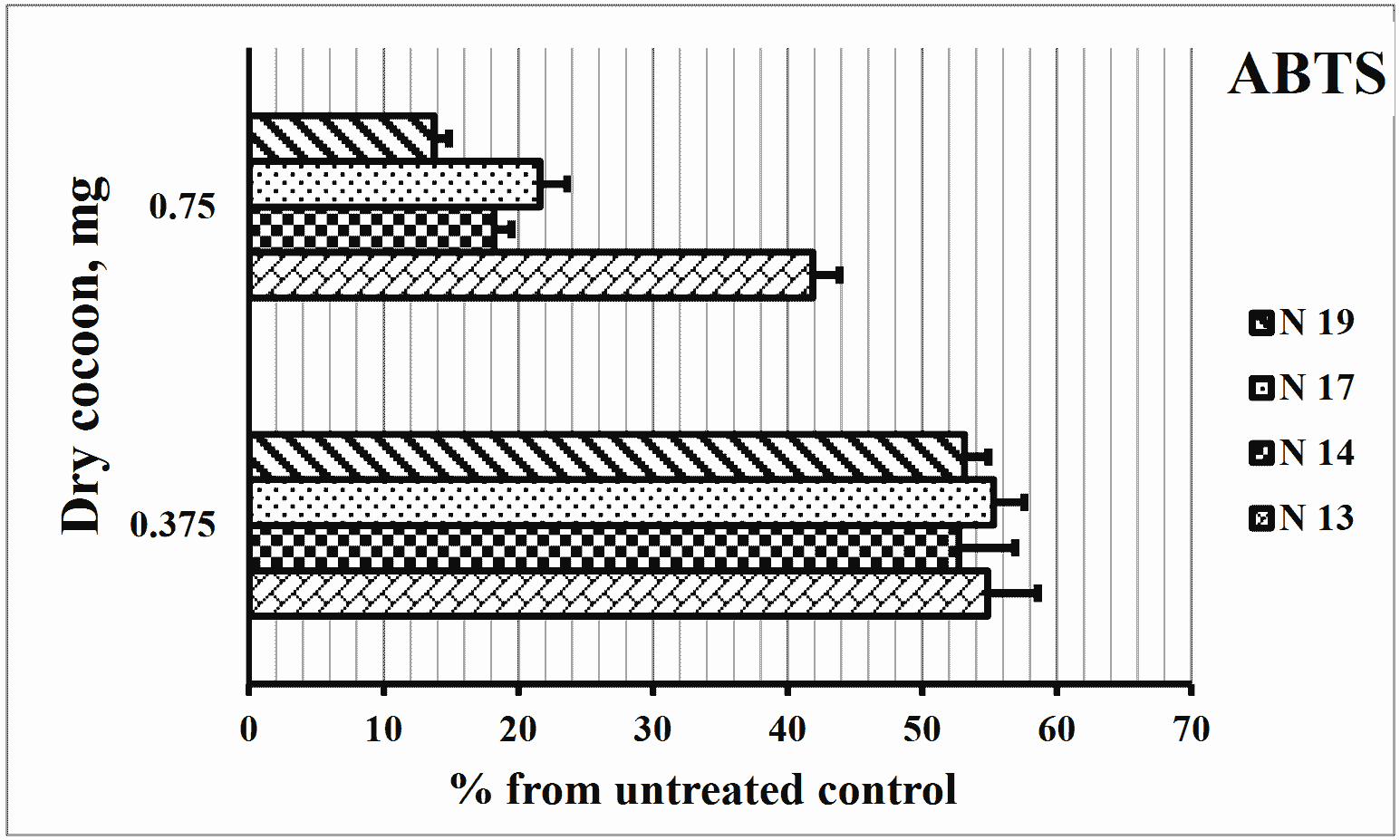
Figure 1. Total antioxidant activity of four selected cocoons obtained in ABTS cation radical system
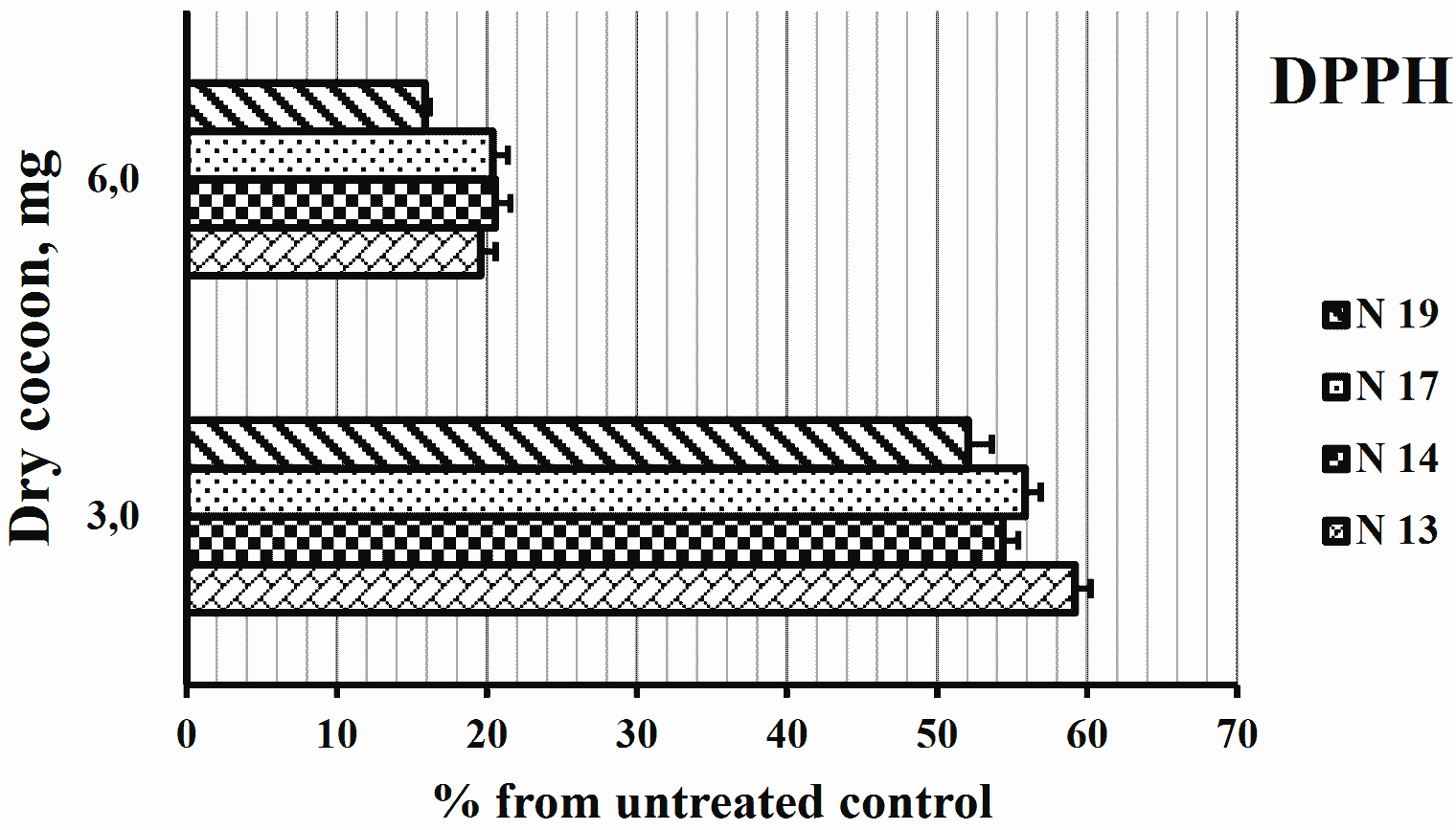
Figure 2. Total antioxidant activity of four selected cocoons obtained in DPPH radical system
A higher number of cocoons – 18 was included in the investigation and for each of them both methods were carried out. Based on the obtained results the values of 50C (mass of dry cocoon, from which the extract was made, which decrease the amount of radical by half) were calculated and the summarized data is given in Table 1. In the last column of the table are presented the values of C50 for sericin tested in the same conditions as the extracts. The value of C50 for sericin obtained with ABTS method is lower than the one from DPPH method, but the difference is not as drastic as the one for the extracts. This suggests that the extracts contain components which show higher SET activity than HAT activity compared to the sericin. Therefore, during the extraction along with the sericin other components with AOA which is mainly SET are extracted.
Table 1. Average values and standard deviations (SD) for C50[mg/ml] from all measured cocoons and for pure sericin solution. The smaller the C the higher is the AOA
ABTS and DPPH methods are suitable for the general characterization of multi-component systems, but in order to assess their in vivo behaviour more adequately, we have tested the extracts in two systems with ROS. Chemiluminescence detection is used, allowing for dynamic tracking of the processes.
The results in Fig. 3 show that all the tested extracts suppress the chemiluminescent light induced by the HRP-catalysed oxidation of luminol through hydrogen peroxide decomposition. The displayed results are for four extracts (labelled with the numbers shown in the figure) obtained after the final extraction at 60ᵒC. The CL curves show a significant reduction in the CL response, not due to inhibition of the enzyme response.
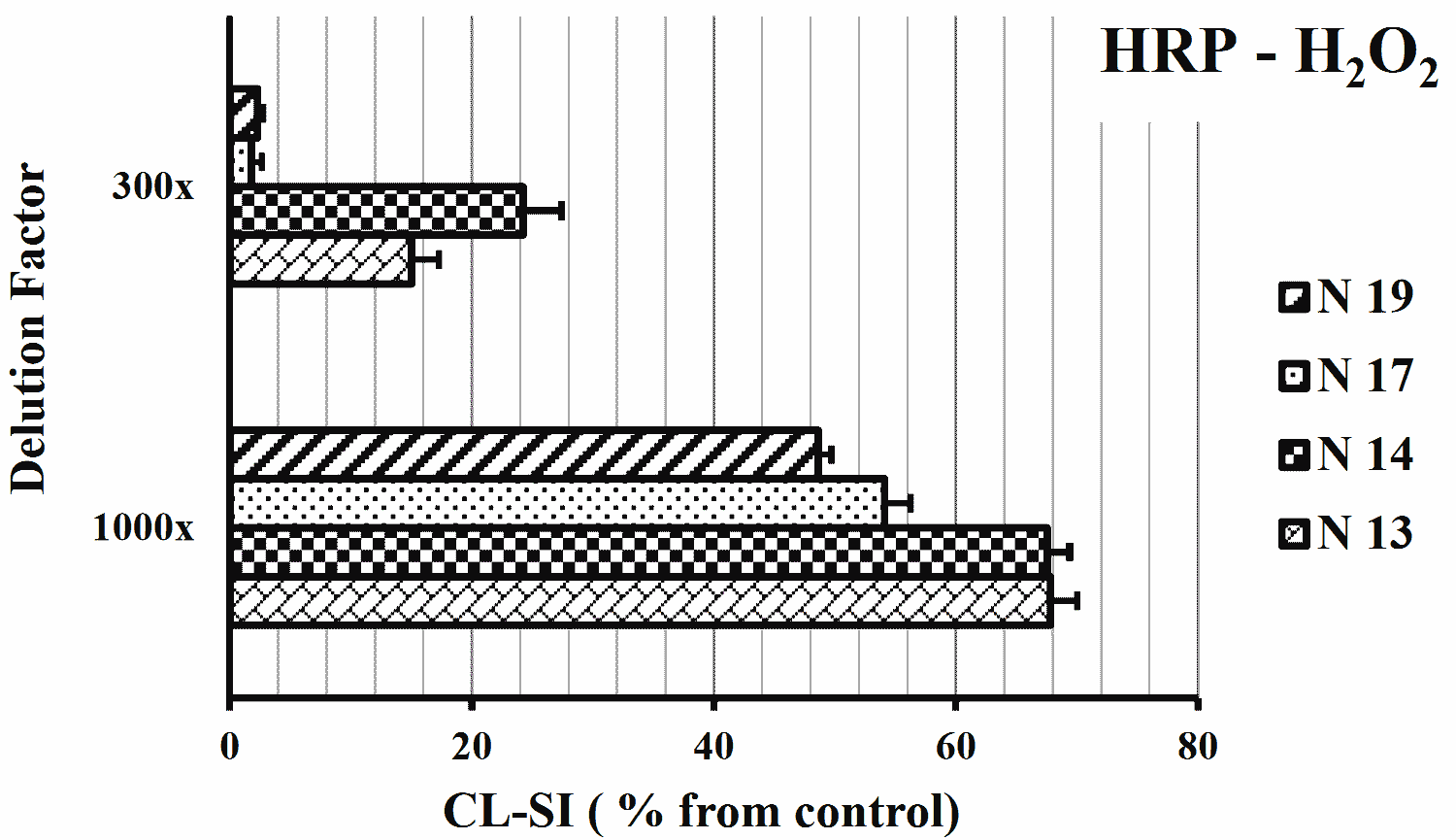
Figure 3. Cocoons activity in system HRP – H2O2
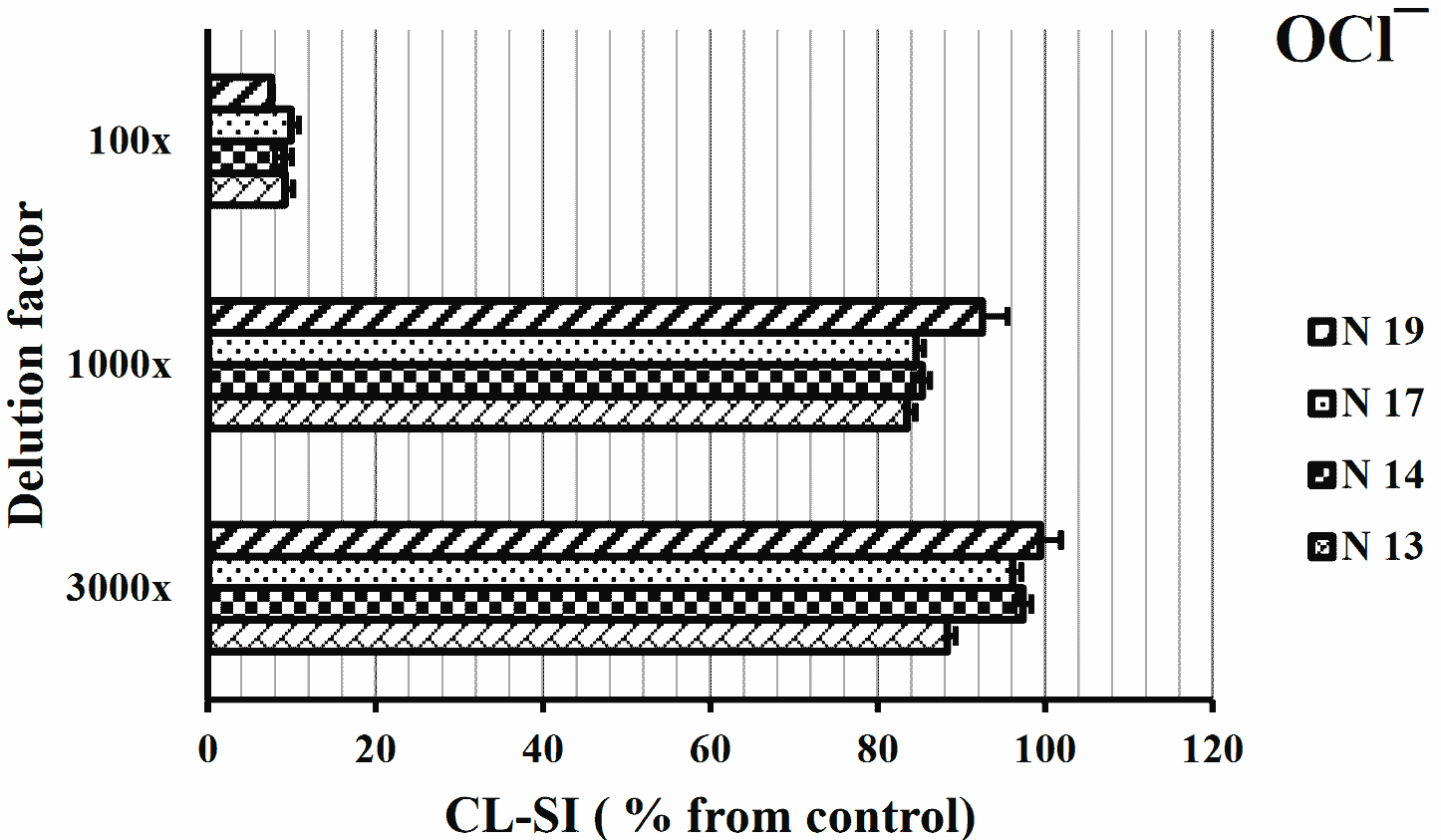
Figure 4. Cocoons scavenging activity against hypochlorite
Fig. 4 shows the results of the ability of the referred cocoons to scavenge hypochlorite. It can be seen from the dilution scale that the scavenging effect is much weaker than the one observed in the hydrogen peroxide system. By comparing the CL-SI to a 1000-fold dilution, it can be seen that CL-SI (1000x-HRP) has a smaller value than CL-SI (1000x-OCl), i.e., the extracts suppress more strongly the chemiluminescence response. It is known that OCl is one of the most reactive radicals and is the major damaging agent in neutrophil activation, suggesting that the effect in this system is stronger – contrary to what has been observed. HRP is an enzyme which is strongly affected by plant-based antioxidants. This suggests that the extracted substances with AOA (other than sericin) relate to the food, fed to the larvae before the formation of the cocoon.
This once again confirms the assumption made in the analysis of the results obtained by the TAOA determination methods for the extracts and sericin.
Conclusion
The carried-out tests show that the cocoon extracts have AOA determined with the methods for TAOA and at the same time they can influence the quantity of ROS which makes their activity biologically important. The extract has stronger AO properties than the one registered for sericin because of the extraction of additional substances with AO properties most likely with plant origin.
REFERENCES
Aramwit, P., Damrongsakkul, S., Kanokpanont, S. & Srichana, T. (2010). Properties and antityrosinase activity of sericin from various extraction methods. Biotech. Appl. Biochem., 55, 91 – 98.
Dash, R., Acharya, C., Bindu, P.C. & Kundu, S.C. (2008). Antioxidant potential of silk protein sericin against hydrogen peroxide-induced oxidative stress in skin fibroblasts. BMB Rep., 41, 236 – 241.
Goupy, P., Dufour, C., Loonis, M. & Dangles, O. (2003). Quantitative kinetic analysis of hydrogen transfer reactions from dietary polyphenols to the DPPH radical. J. Agric. Food Chem. 51, 615 – 622.
Hadjimitova, V., Traykov, T., Mileva, M. & Ribarov, S. (2002). Effect of some psychotropic drugs on luminol-dependent chemiluminescence induced by O2-,*OH, HOCl. Z Naturforsch. C. 57, 1066-1071.
Hunt, T.K. (1980). Disorders of wound healing. World J. Surg., 4, 271 – 277.
Kato, N., Sato, S., Yamanaka, A., Yamada, H., Fuwa, N. & Nomura, M. (1998). Silk protein, sericin, inhibits lipid peroxidation and tyrosinase activity. Biosci. Biotech. & Biochem., 62, 145 – 147.
Re, R., Pellegrini, N., Proteggente, A., Pannala, A., Yang, M. & Rice-Evans, C. (1999). Antioxidant activity applying an improved ABTS radical cation decolorization assay. Free Radic. Biol. Med., 26, 1231 – 1237.
Sarovart, S., Sudatis, B., Meesilpa, P., Grady, B.P. & Magaraphan, R. (2003). The use of sericin as an antioxidant and antimicrobial for polluted air treatment. Rev. Adv. Mater. Sci. 5, 193 – 198.
Sasaki, M., Kato, N., Watanabe, H. & Yamada, H. (2000). Silk protein, sericin, suppresses colon carcinogenesis induced by 1,2-dimethylhydrazine in mice. Oncol. Rep. 7, 1049 – 1052.
Sasaki, M., Kato, Y., Yamada, H. & Terada, S. (2005). Development of a novel serum-free freezing medium for mammalian cells using the silk protein sericin. Biotech. Appl. Biochem., 42, 183 – 188.
Wang, Y.J & Zhag, Y.Q. (2011). Three layered sericins coated around the silk fibroin fiber from Bombyx mori cocoon and their amino acid composition. Adv. Mater Res., 175 – 176, 158 – 163.
Zhaorigetu, S., Sasaki, M., Watanabe, H. & Kato, N. (2001). Supplemental silk protein, sericin, suppresses colon tumorigenesis in 1,2-dimethylhydrazinetreated mice by reducing oxidative stress and cell proliferation. Biosci. Biotech. Biochem. 65, 2181 – 2186.